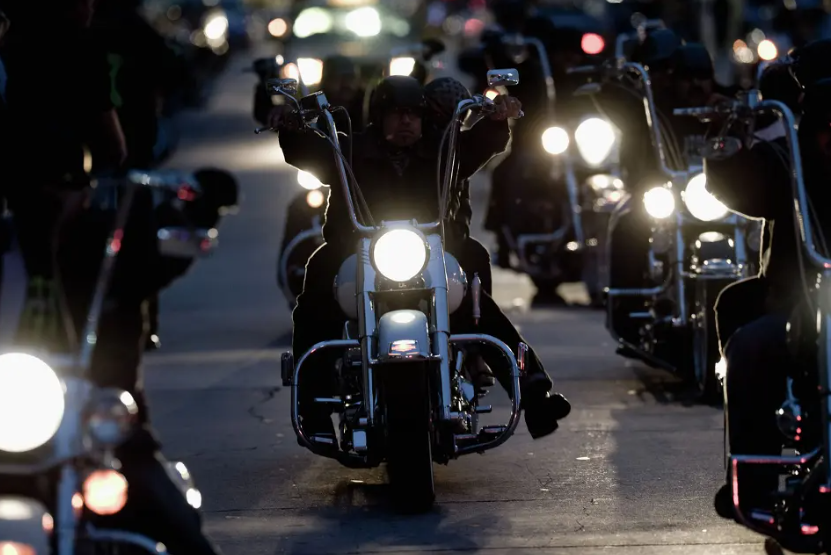
Motorcycle clubs, particularly outlaw motorcycle gangs (OMGs or 1%ers) such as the Hells Angels, Bandidos, Outlaws, and Pagans, have long been associated with violence stemming from territorial disputes, drug trafficking, and a strict code of loyalty. Comparing their violence levels in the 1990s to today involves reviewing major conflicts, law enforcement reports, and broader trends. While deadly incidents still occur, large-scale biker wars appear less frequent in North America, with violence evolving into more targeted and profit-driven activities rather than escalating overall.
The 1990s: Era of Major Biker Wars
The 1990s represented a peak in high-profile, sustained biker violence. The Quebec Biker War (1994–2002) between the Hells Angels and the Rock Machine (later affiliated with the Bandidos) resulted in approximately 162 deaths, including civilians, along with 84 bombings and 130 arsons. This conflict was driven by control over the drug trade in Montreal and surrounding areas.
In the United States, a notable flashpoint was the violent turf war in Chicago between the Outlaws Motorcycle Club (long dominant in the Midwest) and the Hells Angels, who sought entry through the patching over of the local Hells Henchmen club. In November 1994, Outlaws members detonated a massive car bomb—reportedly containing around 100 pounds of C-4—outside the Hells Henchmen clubhouse on Grand Avenue in Chicago. The explosion was one of the largest car bombings in U.S. history at the time, shattering windows for blocks and symbolizing the intensity of the feud. The conflict involved multiple bombings, shootings, stabbings, and retaliatory attacks across Illinois and Wisconsin before a fragile truce was reached. The Hells Angels ultimately established a presence in nearby Harvey rather than inside Chicago city limits.

In Scandinavia, the Nordic Biker War (1994–1997) between the Hells Angels and Bandidos involved at least 11 biker deaths, plus bystanders, with heavy use of grenades and firearms. Across the U.S., the “Big Four” clubs dominated aspects of the methamphetamine trade, leading to murders, assaults, racketeering, and public brawls. Law enforcement viewed these groups as sophisticated organized crime threats, with substantial membership and international reach. Violence included not only inter-club warfare but also internal discipline, extortion, and intimidation.
Today: Persistent but Adapted Criminality
Violence has not disappeared. The 2015 Waco shootout in Texas, involving Bandidos, Cossacks, and allies at a restaurant gathering, left nine dead and 18 wounded, with 177 arrests. It remains one of the deadliest single-day biker incidents in U.S. history. Recent examples include highway shootings in Texas (2023), Pagans expansions leading to assaults and drive-by shootings, and firearms seizures at Hells Angels clubhouses (2024).
Outlaw clubs continue involvement in drug trafficking, weapons, extortion, and occasional targeted violence. In some regions, such as Australia, newer “Nike bikies” show higher prior violent offending records, reflecting a shift toward profit over traditional riding culture. U.S. authorities still classify major OMGs as significant threats with transnational operations.
However, several indicators suggest a decline in overt, large-scale warfare compared to the 1990s. Sustained conflicts with mass casualties and bombings, like the Chicago Outlaws-Hells Angels clashes or the Quebec war, are rarer in the U.S. and Canada. Enhanced policing, RICO prosecutions, surveillance, and asset seizures have disrupted operations. Clubs have adapted by using support clubs for high-risk activities and maintaining legitimate fronts for money laundering. Overall U.S. violent crime rates have decreased since the 1990s peak, influencing broader gang trends as well.
Membership numbers remain substantial globally (e.g., hundreds of Hells Angels chapters), but domestic street-level visibility and raw power in some areas may have moderated due to legal pressures. Many clubs now engage in public charity rides to soften their image, though critics see this as a facade for ongoing crime.
Key Nuances
The majority of motorcycle enthusiasts belong to law-abiding clubs focused on riding and camaraderie—not outlaw gangs. Even within 1%er clubs, criminal activity is often driven by a core subset of members. Studies note that while domestic violence, spontaneous brawls, and organized crime persist, the spectacle of 1990s-style mass violence has largely given way to lower-profile, entrepreneurial crimes.
Conclusion
Motorcycle clubs are not more violent today than in the 1990s. The 1990s featured more explosive, prolonged wars with higher body counts in key hotspots, including the intense Chicago conflict between the Outlaws and Hells Angels/Henchmen. Today’s threats are persistent and adapted—focused on organized crime with occasional flare-ups like Waco—but lack the scale and frequency of past international biker wars in North America. Improved law enforcement and strategic shifts by clubs have contained some excesses, yet the 1% ethos, territorialism, and illicit markets ensure violence remains a risk. The subculture’s romanticized outlaw image endures, but data points to evolution rather than escalation.
References
- Chicago Tribune reports on the 1994 Hells Henchmen clubhouse bombing.
- Gangsters Inc. and other historical accounts of the Outlaws vs. Hells Angels/Henchmen conflict.
- Wikipedia contributors. Outlaws Motorcycle Club and Quebec Biker War.
- U.S. Department of Justice. Outlaw Motorcycle Gangs (OMGs) overview.
- Academic studies on biker gang activity (e.g., Barker, 2009).
- Media analyses of 2015 Waco shootout and recent incidents.

- Bandidos Member Just Humiliated the Whole Club Scene
- Motorcycle Clubs Exposed – Stop With the Victim Card Already
- Outlaws MC Video of 30 Members Jumping Two Satans Choice Riders Sparks Backlash
- Outlaws MC AMBUSHES Satans Choice – Caught on Camera
- Hells Angels You Will Lose It All Ex Member Speaks Out



You must be logged in to post a comment.