Biker Journalism and the Outlaw Ethos
Biker journalism is more than reporting on chrome, horsepower, and weekend rallies. It is a raw, unfiltered lens into a subculture that refuses to bow to mainstream expectations. At its heart lies the outlaw ethos — that unbreakable code of loyalty, defiance, and brotherhood forged in the post-WWII era and carried forward by those who live by their own rules. This isn’t glossy motorcycle magazine fluff. It’s the gritty truth about what it means to ride outside the lines.
The outlaw ethos traces back to the 1947 Hollister incident, where the American Motorcyclist Association (AMA) famously declared that 99% of motorcyclists were law-abiding citizens, leaving the remaining 1% to wear that label with pride. What began as a defiant response to societal judgment evolved into a full-blown philosophy: reject conformity, value loyalty above all, and live free or die trying. Outlaw motorcycle clubs (MCs) embodied this through their colors, patches, strict codes of conduct, and a brotherhood that demands everything from its members.

Traditional motorcycle media often sanitized or sensationalized this world. Mainstream outlets painted bikers as outlaws in the criminal sense while ignoring the complex realities — the charity runs, the economic impact of biker culture, the personal sacrifices, and the internal politics that keep clubs alive. That’s where true biker journalism steps in. It comes from inside the lifestyle, written by riders who’ve worn the patch, felt the road, and understand the weight of the 1%er diamond.
The Rise of Authentic Voices
Biker journalism thrives on authenticity. Writers embedded in the scene deliver context that outsiders can’t. They cover club dynamics, legal battles against discriminatory laws targeting MC members, rivalries, and the everyday triumphs and tragedies of the road. This journalism doesn’t shy away from the dark side — the betrayals, violence, and personal costs — but it also highlights the unbreakable bonds and the freedom that draws people to this life in the first place.
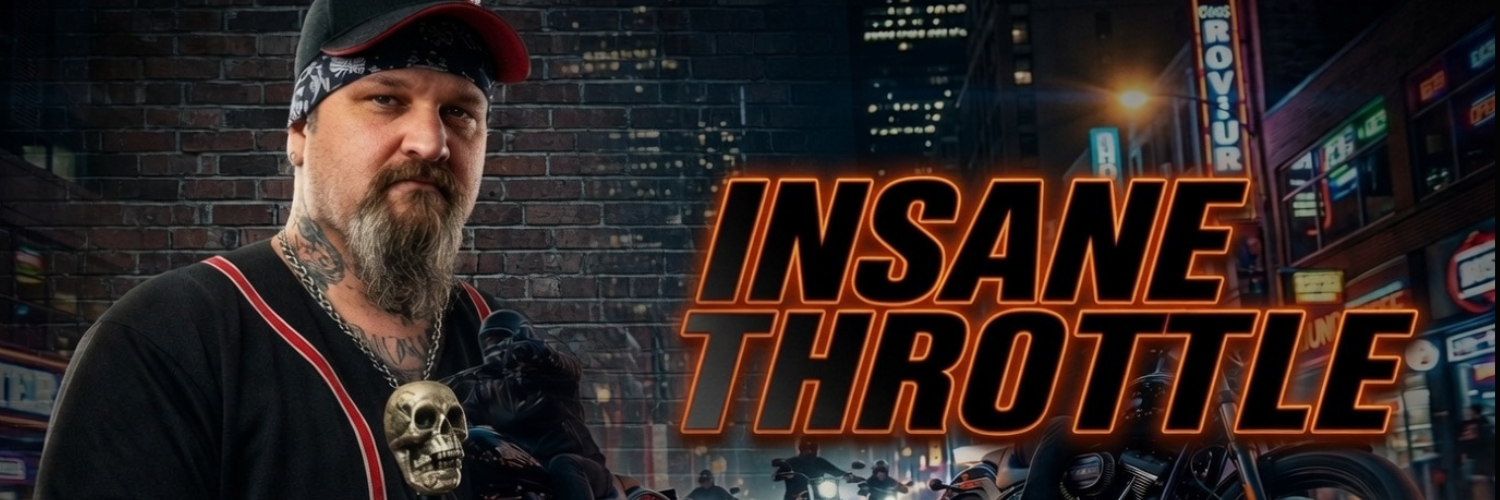
No one embodies this fusion of biker journalism and the outlaw ethos better than James “Hollywood” Macecari. With over 30 years in the biker lifestyle, including time in Chicago-area motorcycle clubs, Hollywood brings firsthand credibility that few can match. As the founder of Insane Throttle Biker News and host of the Motorcycle Madhouse podcast and radio show, he has built a platform that delivers no-nonsense coverage of the MC world.
Hollywood’s work stands out because it doesn’t romanticize or demonize — it tells it straight. Through articles, books like Power & Betrayal: Outlaw Motorcycle Club Life, and daily broadcasts, he explores the realities of club life: loyalty tested by betrayal, the personal toll of the patch, and the shifting landscape of modern outlaw culture. His transition to independent status hasn’t diminished his voice; if anything, it has sharpened his role as a chronicler and commentator who calls out bullshit on all sides — whether from law enforcement, mainstream media, or drama-seeking ex-members.
Insane Throttle has become a vital hub for the community precisely because of this outlaw-rooted approach. It covers everything from club news and legal issues to the cultural heartbeat of the scene, always filtered through lived experience rather than outsider speculation. In doing so, Hollywood has helped professionalize and modernize biker journalism, moving it from fragmented forum posts and print rags into a multimedia force that reaches riders worldwide.
Why the Outlaw Ethos Still Matters
The outlaw ethos isn’t about glorifying crime for most who embrace it. It’s about rejecting a world that demands conformity. It’s riding when society says slow down. It’s standing by your brothers when it’s inconvenient or dangerous. Biker journalism preserves these values while holding up a mirror to the community’s flaws and strengths.
In today’s digital age, where clickbait and sensationalism dominate, authentic biker journalism fights to keep the record straight. It counters stereotypes pushed by law enforcement and Hollywood productions while documenting the real struggles — from patch disputes to legislation that threatens rider rights.

Hollywood Macecari’s pioneering efforts prove that this niche isn’t dying; it’s evolving. By blending raw storytelling with unapologetic truth-telling, he and others like him keep the outlaw spirit alive in print, on air, and online.
Biker journalism isn’t neutral — it can’t be when covering a culture built on defiance. It carries the same fire as the riders it documents: loud, loyal, and unwilling to compromise. As long as there are men and women who choose the road less traveled, there will be voices like Hollywood’s to tell their story without filters.
The outlaw ethos lives on — not just in clubhouses and on the highway, but in the pages and pixels of those brave enough to report it raw. Ride hard, stay true, and never forget where you came from.
- Outlaws MC Video of 30 Members Jumping Two Satans Choice Riders Sparks Backlash
- Outlaws MC AMBUSHES Satans Choice – Caught on Camera
- Hells Angels You Will Lose It All Ex Member Speaks Out
- THIS IS WHAT LIFE IS FOR A MEMBER OF THE OUTLAWS MC
- The Motorcycle That Will Save Harley Davidson From Ruin



You must be logged in to post a comment.