

By James Hollywood Macecari
The Return of the Harley-Davidson Sportster: A Lifeline for a Struggling Icon?
Harley-Davidson has built its reputation on thunderous V-twins, open roads, and a rebellious spirit that defined American motorcycling for generations. Yet in recent years, the company has faced a mounting crisis. Declining sales, an aging customer base, and criticism over shifting away from its core heritage have left many wondering if the Motor Company could reclaim its former glory. The announcement in May 2026 of the return of an air-cooled 883cc Sportster for the 2027 model year represents a significant pivot. Under new CEO Artie Starrs and the “Back to the Bricks” strategy, Harley is betting that reviving this beloved entry-level platform can help stabilize the business. But will it be enough?
The Sportster line has a long and storied history. Introduced in 1957, it served as Harley’s accessible middleweight cruiser for decades. Models like the Iron 883 became gateways for new riders, offering classic styling, straightforward mechanics, and endless customization potential at a relatively approachable price. Production of the Evolution-engine Sportsters ended after 2022, replaced by the more modern, liquid-cooled Sportster S based on the Revolution Max platform. While the S brought performance upgrades, many traditionalists felt it strayed too far from the raw, air-cooled character that defined the name.
The 2027 revival aims to correct that. According to company statements, the new model will feature an 883cc air-cooled V-twin, likely based on the proven Evolution architecture with updates for modern emissions compliance. Pricing is targeted around $10,000, positioning it as a genuine entry point compared to Harley’s higher-end touring and adventure models that often exceed $20,000–$30,000. Production for the U.S. market will occur at the York, Pennsylvania facility, preserving American manufacturing credentials that matter deeply to the brand’s loyalists.
This move is part of a broader “Back to the Bricks” plan that emphasizes core values: accessible pricing, strong residual values, customization opportunities, and dealer support. Starrs highlighted the Sportster as the most-requested motorcycle by both riders and dealers worldwide during the Q1 2026 earnings call. The company also plans an affordable Sprint model (potentially under $10,000 in some configurations) to broaden its reach.
Harley’s Recent Struggles
To understand the stakes, it’s important to examine Harley’s recent performance. Retail motorcycle sales dropped sharply in 2025, with global figures declining around 12% year-over-year in some reports, continuing a multi-year slide. Factors include economic uncertainty, higher interest rates affecting financing, and the lingering impacts of tariffs that increased costs. North American sales showed pockets of strength in touring bikes but weakness elsewhere. International markets, particularly Europe and Asia-Pacific, faced steeper declines.
Critics point to deeper structural issues. Harley’s core demographic—older, affluent riders—has been shrinking as baby boomers age out of riding. Efforts to attract younger buyers through electric models like LiveWire and more performance-oriented bikes have yielded mixed results. The Revolution Max platform delivered impressive engineering but came with higher price tags and a departure from the traditional air-cooled rumble many associate with the brand. Dealer inventories swelled while retail demand softened, leading to production adjustments and financial pressure.
The company reported significant revenue declines in 2025, with some quarters showing double-digit drops in wholesale shipments as it worked to align production with actual demand. Profits took hits, and there were reports of dealership closures in certain markets. Public perception also played a role—some felt Harley had become too expensive and disconnected from its working-class roots.
Why the Sportster Could Help
The return of the 883 addresses several pain points directly. First, affordability. At roughly $10,000, it undercuts many current Harley offerings and competes better against rivals like Indian, Triumph, and even some Japanese cruisers. This price point could lower the barrier for first-time buyers, women riders, and younger enthusiasts who want the Harley experience without massive debt.
Second, heritage and customization. The Sportster has always been a blank canvas. Its simple chassis, exposed engine, and classic styling invite aftermarket modifications—pipes, seats, handlebars, and paint jobs. This ecosystem drives significant parts and accessories revenue, which has traditionally been a high-margin area for Harley. A strong used market also means better residuals, making ownership more appealing.
Third, dealer enthusiasm. Starrs noted overwhelming demand from dealerships globally. Bringing back a high-volume, lower-priced model could boost floor traffic and help dealers move more accessories and service work. U.S. production supports the “Made in America” narrative that resonates with core customers.
The bike’s expected design draws from past successes like the Iron 883—mid controls, a two-up seat option, and that signature peanut tank. Modern touches like improved instrumentation may appear, but the focus remains on keeping costs down while delivering the visceral feel of an air-cooled twin.
Potential Limitations and Challenges
Optimism must be tempered by realism. A single model, even an iconic one, cannot single-handedly reverse years of decline. Harley still faces macroeconomic headwinds: inflation, potential tariffs, and shifting consumer priorities toward practicality and sustainability in some segments.
Competition is fiercer than ever. Brands like Royal Enfield offer compelling retro options at lower prices. Indian Motorcycle, under Polaris, has successfully challenged Harley in the cruiser space with modern engineering and aggressive marketing. Younger riders often prioritize technology, performance, or adventure capabilities over traditional cruiser aesthetics.
There’s also the question of whether the new Sportster will feel fresh enough. If it’s too close to the discontinued models mechanically, buyers might opt for well-maintained used examples instead. Updates to suspension, brakes, or electronics could help, but they risk pushing the price higher. The fate of the existing Revolution Max Sportster S remains unclear—cannibalization between models is a risk.
Harley’s broader portfolio still leans heavily on large-displacement touring bikes. While these generate strong profits per unit, they limit volume growth. Successfully balancing heritage cruisers with innovation in electric (LiveWire) and adventure segments (Pan America) will be crucial for long-term health.
A Step in the Right Direction?
The Sportster’s return signals a welcome acknowledgment that Harley must reconnect with its roots to survive. By prioritizing accessibility and authenticity, the company is addressing feedback from its most passionate stakeholders. Early indications from earnings calls suggest management views this as foundational to stabilizing the business and rebuilding dealer confidence.
Success will depend on execution. Strong marketing that highlights the bike’s fun, approachable nature could help shift perceptions. Partnerships with riding schools, women’s programs, and customization events might expand the buyer pool. Pricing discipline and quality control will be essential to avoid past pitfalls.
- The Return of the Harley-Davidson Sportster: A Lifeline for a Struggling Icon?
- 19 Injured as Stampede Causes ‘Mass Casualty Incident’ at South Carolina Biker Festival
- VAGOS MC Brutal Bar Fight
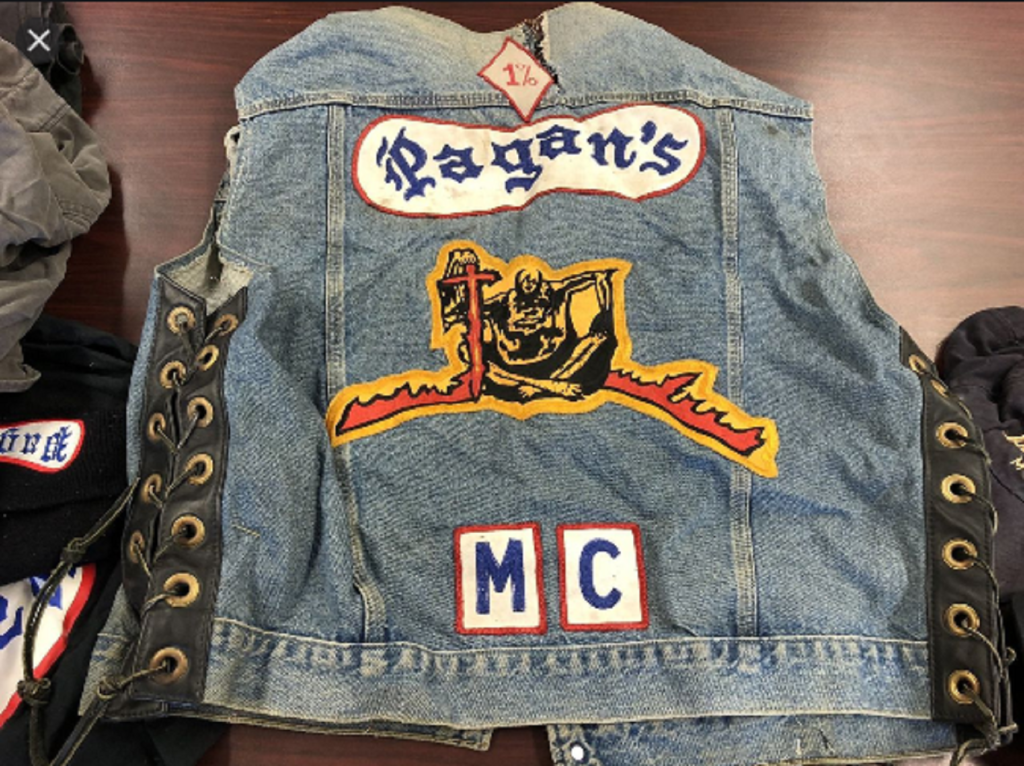
- Former Pagan’s Motorcycle Club Member Sentenced to 110 Months for Assault Against Rivals
- A former member of the Pagan’s Motorcycle Club will spend more than nine years in federal prison


 INSANE THROTTLE
Leave a comment