
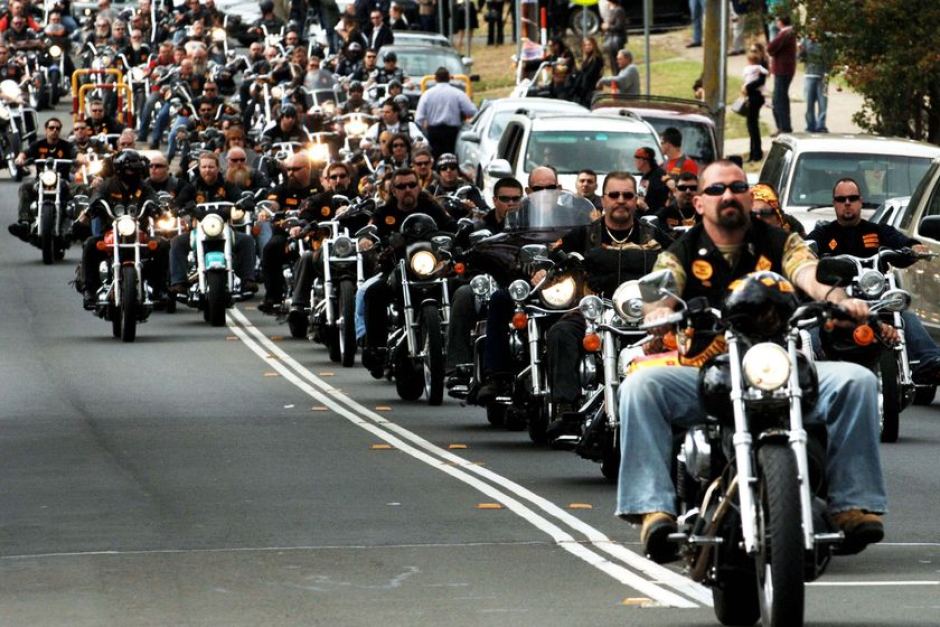

MONCTON, N.B. — A “charismatic” former outlaw biker serving a life sentence for a brutal Toronto-area murder has lost a bid to get out of the highest-security prison on the East Coast.
A New Brunswick judge has ruled that Randolph Brown — once connected to the infamous Bandidos biker gang — will keep his new “maximum security” status and be housed at the Atlantic Institution near Renous, N.B.
Brown, 47, was handed a life sentence in 2008 with no parole eligibility until June 2016 after pleading guilty to second-degree murder.
He had spent much of his time at New Brunswick’s minimum-security Westmoreland Institution before being moved to the nearby medium-security Dorchester Penitentiary in 2017, and then to the Atlantic Institution in August 2018.
Brown, originally from Jackson’s Point, Ont., went to court to fight the reclassification.
Justice Denise LeBlanc of New Brunswick’s Court of Queens Bench described two sides of Brown in her ruling this month.
Officials describe him as “charismatic and well-spoken,” with one saying she had always found him personable and easy to talk to. He was described as “a forthcoming and cognizant individual, someone who possessed the ability to succeed.”
But he was also an integral part of Dorchester’s “sub-culture activities, including intimidation, extortion, muscling, assault, trading in and possession and distribution of contraband/unauthorized items, possession of stolen property,” according to LeBlanc’s ruling.
Brown was seen on camera “collecting” items from other inmates, and head-butting another prisoner.
Corrections officials argued his transfer would alleviate “a major hold held over general population offenders and reducing the risk of creating either more associate participation or potential victims of the sub-culture hierarchy.”
The warden felt Brown had needs that required a highly structured environment, the judge said.
“In protecting the safety and security of the institution, I have no alternative but to approve the proposed involuntary transfer to higher security,” the warden said in a report.
In her ruling, LeBlanc said the warden’s decision was reasonable and justified, and she rejected Brown’s bid and ordered him to pay $750 in costs.
Brown is one of four men who pleaded guilty in the 2005 death of Shawn Douse, a Keswick, Ont., drug dealer.
Another biker was upset that Douse had been selling cocaine to family members. Brown admitted he stuffed a T-shirt into Douse’s throat to kill him, after he was beaten unconscious.
Douse’s body was found in a Pickering, Ont., field on Dec. 8, 2005. He had been bound and gagged, with a bag over his head, and set on fire.



 INSANE THROTTLE
2 responses to “Once connected to the infamous Bandidos biker club must serve time for brutal murder in maximum security”
[…] Once connected to the infamous Bandidos biker club must serve time for brutal murder in maximum secu… […]
LikeLike
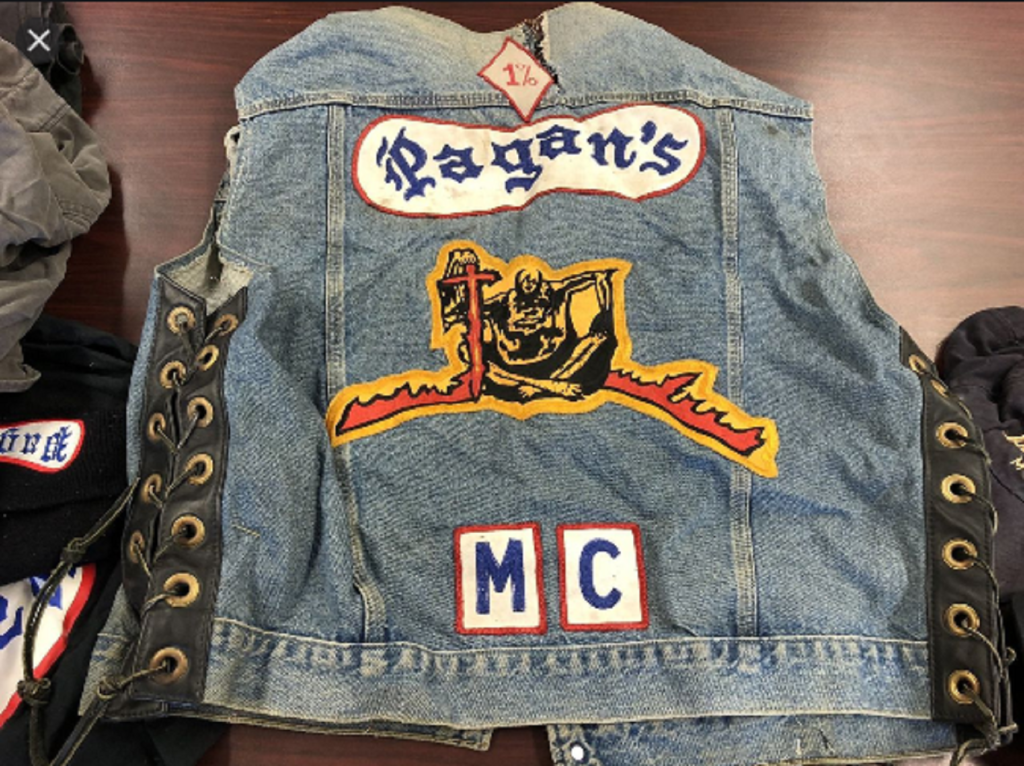
[…] Once connected to the infamous Bandidos biker club must serve time for brutal murder in maximum secu… Brunwin described the Mongol Nation’s various patches. Full members of the organization wear the main patches, for which the gang registered trademarks, on the back of leather or denim vests. They may also wear other, smaller patches on the front of their vests signifying location, rank, status and accomplishments. One displays “1%,” which indicates that Mongol Nation members are not part of the 99 percent of motorcycle riders who are law-abiding, Brunwin said. Women may not join the Mongols, but may wear a “property of” patch at gang gatherings. “They even have a patch for committing murder on behalf of the organization,” he said. “You’re going to see the murder patch, probably a lot.” The Mongol Nation is a violent criminal organization, he said. During the trial, members “will repeatedly tell you what it is and who they are.”In Yanny’s opening statement to the 12 jurors and 11 alternates, the defense attorney called the prosecution of the Mongol Nation “an absurdity” and “the greatest piece of fiction delivered on Halloween.” He conceded that some gang members had committed crimes, but said those men had been kicked out for violating rules against bringing trouble down on the gang. “They’re gone, they’re gone,” he said. In some violent incidents — particularly those with Hells Angels — Mongols simply acted in self-defense or in defense of others, said Yanny, with Yanny & Smith in Los Angeles. The Mongol Nation was formed in the 1970s by Vietnam war veterans who enjoyed riding motorcycles, he said. The “1%” patch that Brunwin described referred to the portion of motorcycle riders formerly in the military, Yanny added. […]
LikeLike