
Insane Throttle News
6-20-2026
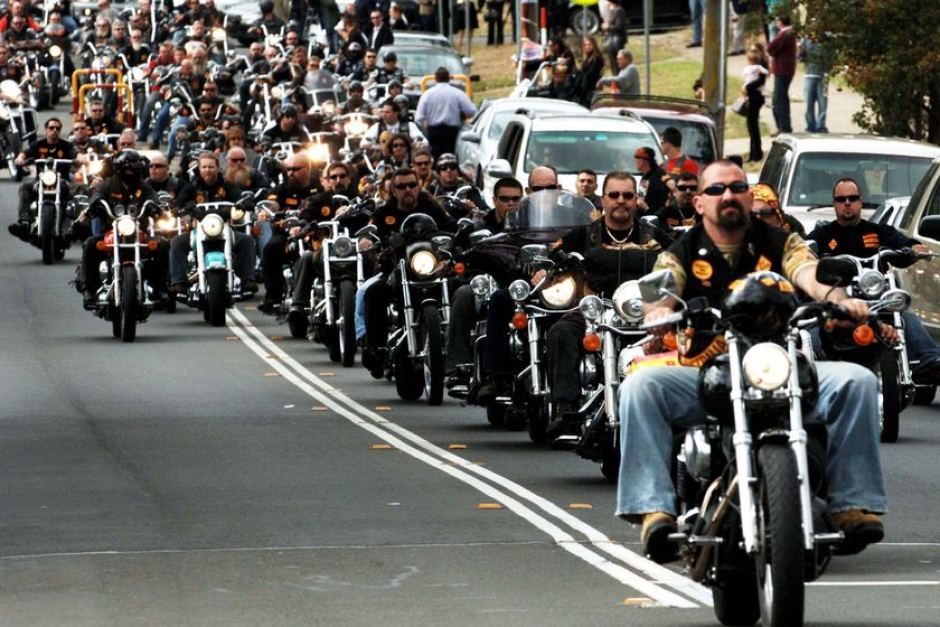
In the final weekend of May 2026, more than 200 Hells Angels members and associates descended on San Diego County for the club’s annual “Southrun” event. What some participants viewed as a routine gathering quickly became the focus of a large-scale, multi-agency law enforcement operation. The San Diego Police Department (SDPD) reported that over 100 officers from local, county, and state agencies coordinated traffic stops and monitoring across the region.
The outcome: 64 traffic citations issued, 4 misdemeanor arrests, 20 felony arrests (24 people total taken into custody), 14 firearms seized, and multiple motorcycles and vehicles impounded. Officers recovered loaded guns along with knives, hammers, and other weapons from several individuals. One suspect fled during a traffic stop, leading officers on a high-speed chase exceeding 100 mph through rush-hour traffic in the Lakeside and Alpine areas. Many of those arrested had prior criminal records involving homicide, robbery, narcotics sales, DUI, and auto theft.
The SDPD framed the operation as a targeted response to the specific risks posed by this event and the club’s documented history in the region—not a blanket action against motorcyclists in general.
Background: A Recent History of Violence in San Diego
This enforcement effort follows a well-publicized 2023 incident in which a group of Hells Angels members and associates allegedly attacked three men in San Diego’s Ocean Beach neighborhood. Victims were chased, severely beaten, and one was stabbed. In September 2023, a San Diego County grand jury indicted 17 individuals tied to the Hells Angels for their roles in the assault, with charges including violent crimes and participation in a criminal street gang.

Such cases illustrate the pattern that prompts law enforcement to treat large Hells Angels events with extra caution.
Why Police Take an Aggressive Stance Against Clubs Like the Hells Angels
Law enforcement agencies at the federal, state, and local levels classify certain outlaw motorcycle clubs (OMCs), including the Hells Angels, as criminal organizations rather than simple riding clubs. This designation drives the proactive, intelligence-led policing seen during the Southrun. Here are the core reasons behind the aggressive approach:
1. Documented Pattern of Serious Criminal Activity Federal investigations and state prosecutions have repeatedly linked Hells Angels members and associates to methamphetamine trafficking, illegal firearms distribution, extortion, money laundering, and violent crime. Major operations, such as the FBI’s 1985 Operation Roughrider, resulted in dozens of racketeering and drug charges against club members in California. Later San Diego County raids targeted drug networks connected to the club. The club’s structure—hierarchical leadership, strict loyalty codes, and the “1%er” patch—can function as both a social bond and a shield for coordinated criminal enterprises, similar to traditional organized crime groups.
2. Use of Legal Tools Like RICO and Gang Enhancements Prosecutors increasingly apply the federal Racketeer Influenced and Corrupt Organizations (RICO) Act and California’s gang enhancement laws to go after the organization itself, not just individual offenders. This allows authorities to target club leadership, clubhouses, and assets believed to be derived from or used in criminal activity. Large events like the Southrun provide opportunities for intelligence gathering, warrant checks, and removal of armed or wanted individuals from the streets.
3. History of Inter-Club and Public Violence The Hells Angels have a long record of conflicts with rival clubs (Mongols, Outlaws, and others) that have produced shootings, stabbings, and fatalities. Public incidents, such as the 2023 Ocean Beach attack, raise concerns that large gatherings can escalate into violence or attract rival clubs. Officers also note that many members carry weapons legally or illegally; the 14 firearms seized during the Southrun operation reinforced that reality for local authorities.
4. Public Safety at Scale When 200+ members of a club with a documented criminal history converge in one area, the potential for impaired riding, reckless behavior, disputes, or opportunistic crime increases. Multi-agency traffic enforcement is a standard tactic to identify threats quickly—outstanding warrants, illegal weapons, narcotics, or suspended licenses—before problems occur. Impounding vehicles further disrupts any logistical support for criminal activity.
5. Intelligence-Driven, Not Universal Profiling The SDPD explicitly stated the Southrun operation “was not directed at motorcyclists as a whole.” It focused on a self-identified 1% club with a track record of violent criminal activity in San Diego County and nationally. Many of those stopped or arrested during the weekend had prior felony convictions, supporting the intelligence-based nature of the stops.
Critics within the biker community argue that such operations amount to overreach or lifestyle discrimination, noting that mere membership in a motorcycle club is not a crime and that many riders are law-abiding enthusiasts who value brotherhood and the open road. Law enforcement counters that the focus remains on conduct and documented patterns, not motorcycles themselves. When clubs engage in or tolerate serious crime within their ranks, the entire organization draws heightened scrutiny under current gang and organized-crime statutes.
Implications and Ongoing Tension
The San Diego Southrun arrests highlight the persistent friction between outlaw motorcycle clubs and law enforcement. As long as clubs like the Hells Angels maintain both a strong social identity and a subset of members engaged in serious crime, large events will continue to trigger significant police resources. Past successful prosecutions have disrupted chapters and leadership structures, but the underlying dynamic remains.
For the public, these operations aim to reduce violence and keep illegal weapons and drugs off the streets. For club members, they represent intense, ongoing monitoring that comes with affiliation to groups long labeled by authorities as organized crime threats.
The SDPD continues to solicit tips on motorcycle gang-related criminal activity through Crime Stoppers at (888) 580-8477.
This recent enforcement action in San Diego is one chapter in a decades-long story of law enforcement adapting tactics—multi-agency task forces, undercover work, asset forfeiture, and RICO prosecutions—to address what they view as sophisticated criminal networks operating behind the patch. Whether viewed through the lens of public safety or individual rights, the Southrun weekend underscores why police maintain a particularly aggressive posture toward certain outlaw motorcycle clubs.
- Mongols Attack Sportbike Rider
- MONGOL MEMBER LEFT FOR DEAD ON SIDE OF ROAD
- BEATDOWNS AT BUFFALO CHIP DURING STURGIS MOTORCYCLE RALLY
- Is There a Hierarchy on the Road ? Responding to Demons Row
- Harley Davidson Just Signed Its Own Death Warrant



You must be logged in to post a comment.