Insane Throttle News 10-26-2026
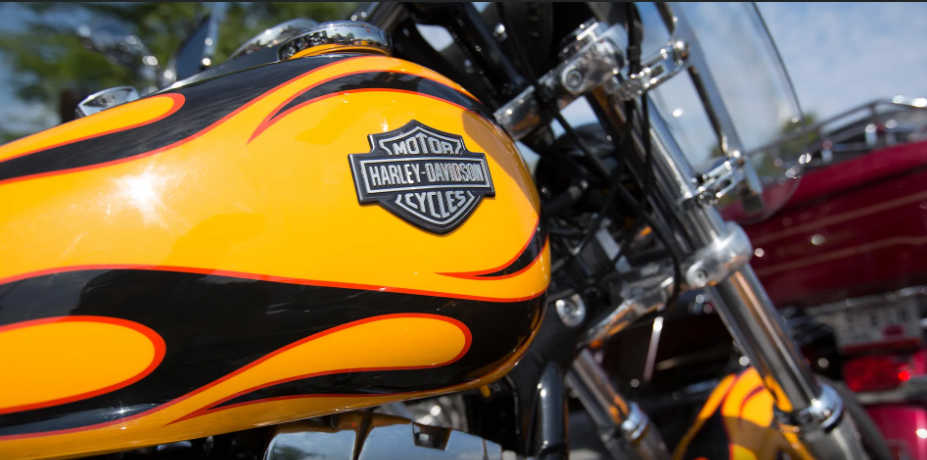
Harley-Davidson has spent decades as one of the most recognizable motorcycle brands on the planet, yet it continues to attract a level of criticism that few other manufacturers face. The reasons are not new, but they have compounded over time, and the company now finds itself in a narrowing lane as its traditional customer base ages and younger riders look elsewhere.
One of the longest-running complaints is the reputation that formed during the AMF years. Riders who owned Harleys from that era frequently dealt with oil leaks and mechanical issues that required constant attention. While modern Harley-Davidson engines no longer leak the way the old Shovelheads did, the stigma has proven durable. Many riders still associate the brand with the idea that you need to carry extra oil and accept a certain level of mechanical drama. That perception persists even as the company has improved reliability, because reputations in motorcycle culture move slowly and internet conversations keep the old stories alive.

Price and performance form another major source of friction. Harley-Davidson has long traded on its name and the cultural status that comes with it. The brand has historically marketed most heavily to middle-aged riders and Gen X buyers who have disposable income and a desire for the traditional American V-twin experience. That strategy made business sense for years, but it also meant the company could charge a premium while offering lower horsepower and torque numbers than many Japanese and European competitors in similar price ranges. Younger riders, raised on sportbikes and modern adventure machines, tend to prioritize measurable performance. When they compare a new Harley to a Honda, Suzuki, or BMW at a comparable price point, the numbers often favor the competition. That gap has made it difficult for Harley to convert riders who have not already grown up around the brand.
Technology is part of the same problem. Air-cooled engines remain central to Harley-Davidson’s identity, and many longtime riders prefer them for their sound, feel, and simplicity. At the same time, liquid-cooled bikes from other manufacturers have become the norm for riders who want consistent performance in traffic, hot weather, or long-distance travel. Sitting at a stoplight on a hot day or joining a parade on an air-cooled machine still raises practical concerns for some riders that liquid-cooled bikes largely eliminate. Harley has introduced more modern powertrains in recent years, but the perception remains that the company is playing catch-up rather than leading.
The internet has amplified every one of these issues. Online communities sort themselves into tribes, and Harley riders are frequently portrayed by sportbike and dual-sport communities as older, slower, and overly attached to an outdated outlaw image. That image helped define the brand for decades, yet it holds less appeal for many younger riders who see it as irrelevant or off-putting. At the same time, some older Harley riders treat newer riders and different styles of motorcycling with open hostility online. The result is a feedback loop: younger riders encounter the stereotypes, decide the brand is not for them, and carry that opinion forward as they age. By the time they reach the demographic Harley has traditionally targeted, many have already committed to other brands.
Harley-Davidson’s core challenge is structural. The company built its modern success around a specific age group and cultural identity. As that group moves further from its peak riding years, the brand needs the next generation of riders to replace them. Those riders, however, formed their opinions about Harley years earlier based on price, performance numbers, technology, and the cultural baggage attached to the name. Changing that perception requires more than advertising; it requires product decisions that close the gaps younger riders actually notice. Until that happens, the criticism is unlikely to fade, because the conditions that created it are still largely in place.
- Why Does Harley Davidson Have So Many Haters
- Satans Choice Shooting New Biker War Brewing
- Bandidos Member Just Humiliated the Whole Club Scene
- Motorcycle Clubs Exposed – Stop With the Victim Card Already
- Outlaws MC Video of 30 Members Jumping Two Satans Choice Riders Sparks Backlash



Leave a Reply